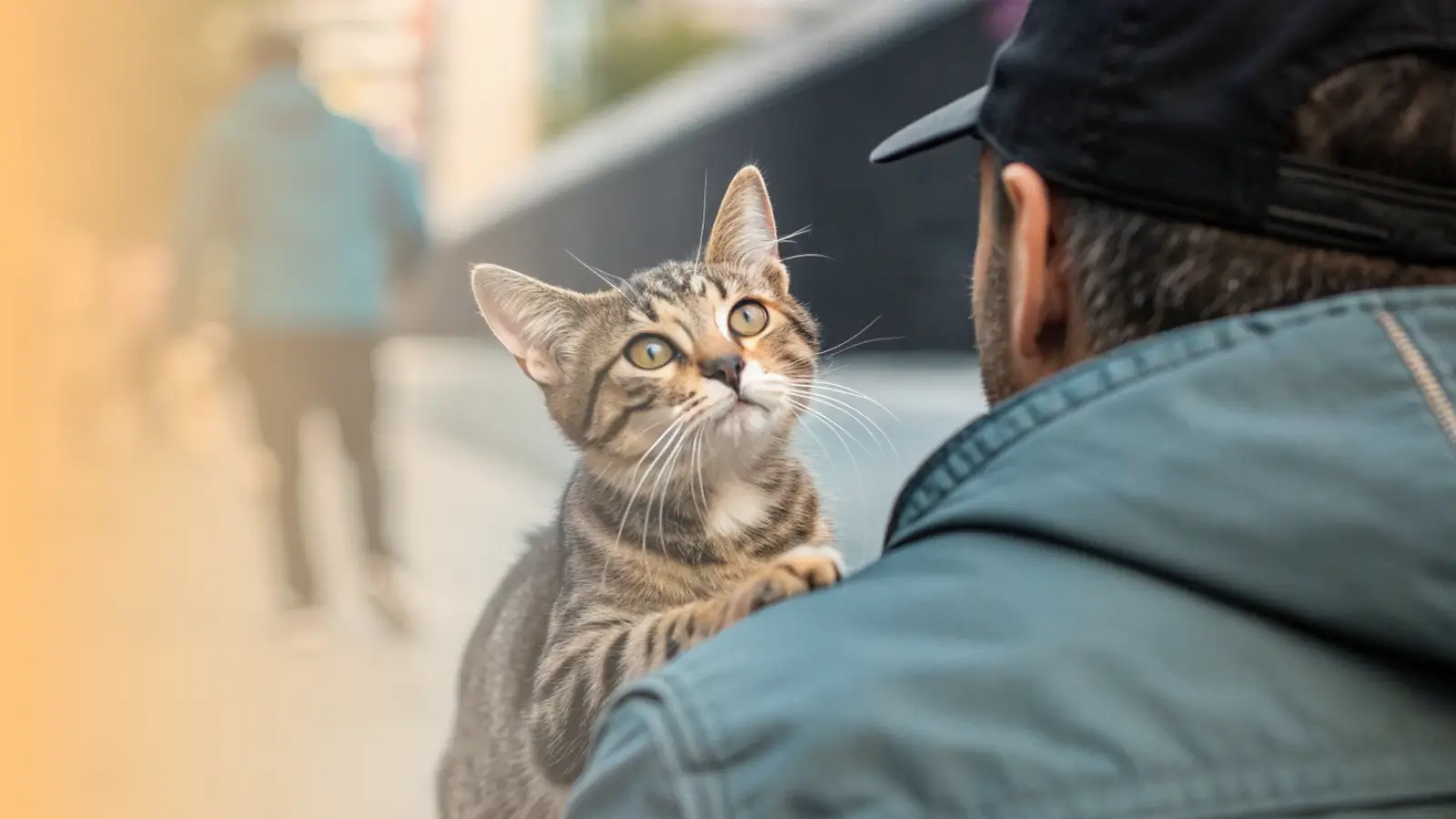
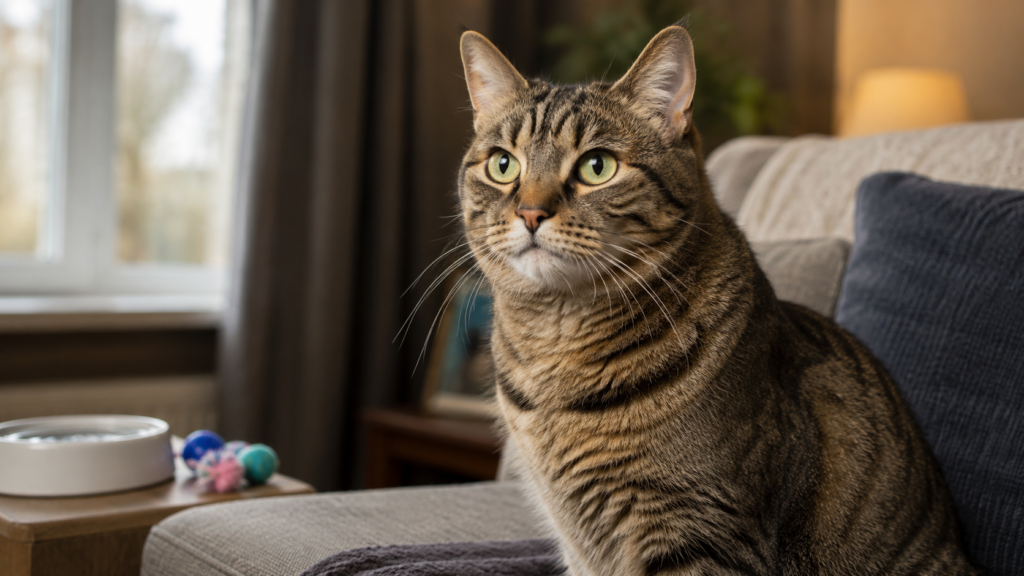
Leaving a cat alone sounds simple until you are the one locking the door.
Maybe you are going to work all day. Maybe you have an overnight plan. Maybe a weekend trip came up, and your cat seems independent enough to manage. Cats are often described as low-maintenance pets, but that can make this question feel more confusing, not less.
The safest general answer is this: most healthy adult cats can usually be left alone for a normal workday, around 8 to 12 hours, if they have food, fresh water, clean litter, and a safe space. Longer than that becomes less about whether a cat can “cope” and more about what could go wrong while no one is there to notice.
I tend to be cautious with this topic because the risk is not only loneliness. A cat can spill water, stop eating, get stuck somewhere, fight with another cat, have a litter box problem, or show the first signs of illness while everyone assumes, “She’s fine, she sleeps all day.”
The Short Answer: How Long Can You Leave a Cat Alone?
A healthy adult cat can usually be left alone for about 8 to 12 hours without much concern, as long as their basic needs are set up properly.
That covers a typical workday, an evening out, or a long appointment. The cat should have clean water, suitable food, a clean litter box, safe resting spots, and no access to obvious hazards such as toxic plants, chemicals, string toys, or electrical cords.
Some sources say a healthy adult cat may occasionally manage 24 hours, or even longer in very controlled situations. But I would not treat that as the normal standard. Once you pass the 12-hour mark, you are relying more heavily on preparation, the cat’s health, the home setup, and luck.
For trips longer than a normal day, a human check-in is the safer plan. A sitter, friend, neighbor, or family member can refresh water, scoop litter, check food, look for signs of illness, and make sure the cat has not gotten trapped or hurt.
A Practical Time Guide by Cat Type
The right limit depends on the cat. A calm, healthy 5-year-old cat with a predictable routine is not the same as a kitten, a senior cat, a diabetic cat, or a newly adopted cat hiding under the bed.
| Cat situation | Safer alone-time range | Why it matters |
|---|---|---|
| Healthy adult cat | Around 8 to 12 hours | Usually fine for a normal workday if food, water, litter, and safety are handled |
| Occasional overnight absence | Higher risk, arrange a check-in if possible | Food, water, litter, illness, and accidents become harder to monitor |
| Kitten | Often only a few hours | Kittens need more frequent meals, supervision, and protection from hazards |
| Senior cat | More cautious, often shorter | Health, mobility, appetite, and litter box changes need closer monitoring |
| Cat with medical needs | Ask your veterinarian | Medication timing, symptoms, and monitoring can change the safe limit |
| Multi-cat household | Depends on the cats | Bonded cats may do well, but conflict and resource guarding can become a problem |
| Vacation or multi-day trip | Do not leave unattended | Arrange a sitter, boarding, or another responsible care plan |
This table is not a hard rule for every cat. It is a risk guide. If your cat is very young, old, unwell, anxious, newly adopted, or prone to litter box or appetite changes, I would shorten the time and arrange help sooner.
Why “Cats Are Independent” Can Be Misleading
Cats can look self-contained. They may sleep while you work, eat quietly, and not make a scene when you leave. That does not mean they are fully self-sufficient.
A cat still depends on you for fresh resources and a safe environment. Water can spill. Food can run out or spoil. A litter box can become too dirty. A closed door can block access to the room where the litter box or water bowl is. An automatic feeder can jam. A cat can also become sick or injured while no one is home.
What makes this tricky is that cats often hide discomfort. A cat that is stressed, in pain, or unwell may not make it obvious right away. That is why long absences are risky even when the cat seems “easy.”
For me, the better question is not, “Can my cat survive being alone?” It is, “Can my cat’s needs be checked often enough that small problems do not become bigger ones?”
Food and Water Are Not as Simple as Filling a Bowl
Food is one of the first things owners think about, but leaving extra food is not a complete plan.
Dry food is easier to leave out than wet food because wet food can spoil after being left out for a few hours. If your cat eats wet food, a sitter or carefully timed feeding plan matters more. If your cat eats dry food, you still need to think about portion control, freshness, and whether your cat tends to eat everything at once.
Water is an even bigger weak point. One bowl is easy to spill or contaminate. A safer setup for a workday is to leave more than one water source in different places. That way, one tipped bowl does not leave your cat without water.
Automatic feeders and water fountains can help, but they should not be treated as a substitute for human care during longer absences. Machines can fail. Power can go out. A cat can knock something over. These tools are useful backup, not permission to leave a cat unattended for days.
Litter Box Limits Matter More Than Many Owners Realize
A clean litter box is not just about smell. It affects whether your cat feels comfortable using it.
Many cats prefer a clean, quiet, accessible litter box that is away from food and water. If the box is dirty, blocked, too full, or hard to reach, some cats may avoid it. That can lead to accidents around the home, and in some cases, litter box changes can also point to health problems.
For one cat, the common setup is at least one litter box, though many cat-care guidelines recommend one box per cat plus one extra in multi-cat homes. In a multi-cat household, boxes should not all be crowded into the same corner. If one cat blocks another cat’s access, the extra box does not help much.
Before leaving for the day, scoop the litter box. Before leaving overnight, I would be even more careful. For anything beyond that, someone should check and clean it.
Kittens Should Not Be Left Alone Like Adult Cats
Kittens need much shorter alone-time limits than adult cats.
They eat more frequently, have smaller bodies, and are more likely to get into trouble. A kitten may chew, climb, squeeze into unsafe places, or play with things that an adult cat would ignore. Very young kittens may need feeding every few hours, and even weaned kittens usually should not be left alone for a full workday.
If your kitten is under 6 months old, I would not use adult-cat rules. Keep absences shorter and make the space simpler. That means no string-like toys, no open toilet lids, no loose cords, no access to small swallowable objects, and no rooms where the kitten can get trapped.
A kitten may look bold and capable, but curiosity is exactly why they need more supervision.
Senior Cats and Cats With Medical Needs Need a Different Plan
Senior cats should be handled more cautiously because changes can be subtle.
An older cat may have mobility issues, appetite changes, litter box changes, pain, high blood pressure, thyroid disease, or other health concerns that are not obvious at first glance. A senior cat that misses meals, vocalizes unusually, avoids the litter box, hides, or acts confused should not simply be dismissed as “getting old.”
Cats with medical needs also need a separate plan. If your cat needs medication, insulin, prescription food, post-surgery monitoring, or regular symptom checks, the safe alone-time limit depends on that cat’s condition and schedule.
This is where I would stop guessing and ask a veterinarian. A generic article can give a general range for healthy cats, but it cannot tell you whether your specific cat can safely miss a check-in or delay medication.
Indoor, Outdoor, and Multi-Cat Homes Change the Risk
Indoor cats are protected from many outdoor dangers, but they rely completely on the home environment for food, water, litter, activity, and comfort. If the home setup is poor, the indoor cat has no alternative.
Outdoor-access cats may seem more independent, but leaving them unsupervised brings different risks. They may not come back on schedule. They could get injured, get into a fight, be exposed to bad weather, or be locked out. If your cat normally goes outside, anyone checking on them should know whether the cat is allowed out, when they must be back in, and how the cat flap or door routine works.
Multi-cat homes can be easier or harder depending on the cats. A bonded pair may enjoy each other’s company. But cats that only “mostly tolerate” each other can still compete over food, litter boxes, resting spots, or doorways. If there is any history of chasing, blocking, fighting, or resource guarding, I would not assume they will be fine alone for longer stretches.
Signs Your Cat May Not Be Coping Well Alone
Some behavior after you return home is normal. Your cat may greet you, meow, stretch, ask for food, or follow you around for a few minutes. That does not automatically mean something is wrong.
What matters is the pattern. If certain signs repeatedly appear after your cat has been alone, pay attention.
Concerning signs can include:
- Not eating or drinking
- Vomiting or diarrhea
- Extreme hiding that is unusual for your cat
- New aggression
- New house-soiling
- Urinating or defecating outside the litter box
- Repeated trips to the litter box
- Excessive vocalizing
- Destructive behavior that is new or escalating
- Overgrooming
- Severe lethargy
- Signs of injury or pain
Some of these can be stress-related, but they can also be medical. For example, litter box accidents are sometimes blamed on a cat being “mad,” but they may also be linked to pain, urinary problems, constipation, mobility issues, dirty litter boxes, or stress.
I would not ignore a sudden behavior change after your cat has been alone. If your cat cannot urinate, seems very weak, has trouble breathing, collapses, repeatedly vomits, appears injured, or may have eaten something toxic, contact a veterinarian, emergency vet, or poison control right away.
How to Prepare Your Cat Before Leaving for the Day
For a normal workday, preparation should be simple but deliberate.
Start with the basics. Give fresh water, provide the right amount of food, scoop the litter box, and make sure your cat can reach all essential areas. Do a quick door check so your cat cannot be shut away from food, water, or litter.
Then look for hazards. Put away string, ribbon, yarn, fishing-rod toys, feather teasers, small objects, chemicals, and anything your cat might chew or swallow. Solo toys should be safe for unsupervised use. Wand toys and string-like toys are better saved for when someone is there.
Give your cat acceptable things to do. Scratching posts, resting spots, window views, sturdy toys, puzzle feeders, and hiding places can help an indoor cat pass the time. The goal is not to entertain your cat every second. It is to give them a stable, cat-friendly space where they can rest, move, scratch, hide, eat, drink, and use the litter box without stress.
What to Do for Overnight Trips or Vacations
For an overnight trip, a check-in is the safer choice, especially if your cat is young, senior, anxious, newly adopted, or medically complicated.
For a weekend or longer vacation, do not leave your cat unattended with extra food and water. Arrange a sitter, trusted friend, family member, neighbor, or boarding facility. Many cats do better staying in their own home with a reliable sitter because their smells, hiding places, and routines stay familiar.
A sitter should know more than “feed the cat.” Leave clear notes with feeding times, food amounts, litter box locations, medication instructions if relevant, your vet’s contact details, emergency contacts, the cat carrier location, and any normal or abnormal behavior to watch for.
Boarding can also work for some cats, especially if the facility is clean, secure, calm, and experienced with feline care. But it is not automatically less stressful than a sitter. A nervous cat that hates new places may do better at home. A confident cat that adjusts well may do fine in a good cattery.
Common Mistakes to Avoid
The first mistake is assuming your cat will be fine because they do not complain. Quiet does not always mean comfortable.
The second mistake is leaving too much food and thinking the problem is solved. That ignores water, litter, safety, illness, and stress. It also ignores cats that overeat when food is left out.
The third mistake is trusting devices too much. Feeders, fountains, and cameras are useful, but they cannot clean a litter box, refill spilled water, recognize every medical problem, or take your cat to a vet.
The fourth mistake is leaving unsafe toys out for “enrichment.” A toy that is fun when you are home may be risky when your cat is unsupervised. Anything with string, cord, feathers, or pieces that can be swallowed should be put away.
So, How Long Is Too Long?
Too long is when your cat’s needs cannot be safely met or checked before problems become likely.
For many healthy adult cats, 8 to 12 hours is a reasonable everyday limit. A rare longer absence may be possible for some cats with careful preparation, but I would still arrange a check-in when you can. For 24 hours or more, a responsible person should be involved. For multiple days, leaving a cat completely alone is not a safe care plan.
The more vulnerable the cat, the shorter the limit. Kittens, senior cats, cats with medical needs, anxious cats, newly adopted cats, and cats in tense multi-cat homes all need more caution.
A good rule is to plan for the cat you actually have, not the idea of cats as independent animals. If your setup depends on nothing spilling, nothing jamming, no cat getting sick, and no litter box becoming unusable, it is not a strong plan.
References
- Cats Protection: How long can you leave a cat alone? — supports the cautious 12-hour guidance, kitten differences, wet food concerns, boredom, and daily care needs.
- Hill’s Pet: Leaving a cat home alone safely — supports the 8 to 12 hour range, caution around 24 to 48 hours, and risks such as spilled water or feeder failure.
- Merck Animal Health: How long can you safely leave a cat alone? — supports the more flexible adult-cat range and the caveat that water and litter can become problems over time.
- Cats Protection: Going on holiday when you have a cat — supports sitter planning, twice-daily visits, medication instructions, cattery considerations, and safe toy cautions.
- RSPCA: Leaving your pet when you go on holiday — supports the need for a responsible caretaker and the value of familiar in-home care for many cats.
- AAHA/AAFP Feline Life Stage Guidelines: Senior cats — supports caution around senior cats, behavior changes, litter box changes, vocalization, pain, and medical evaluation.
- Cornell Feline Health Center: House soiling — supports litter box placement, daily scooping, and the link between litter box setup and elimination problems.
- PLOS ONE: Identification of separation-related problems in domestic cats — supports cautious discussion of separation-related behavior signs and the limits of owner-reported interpretation.