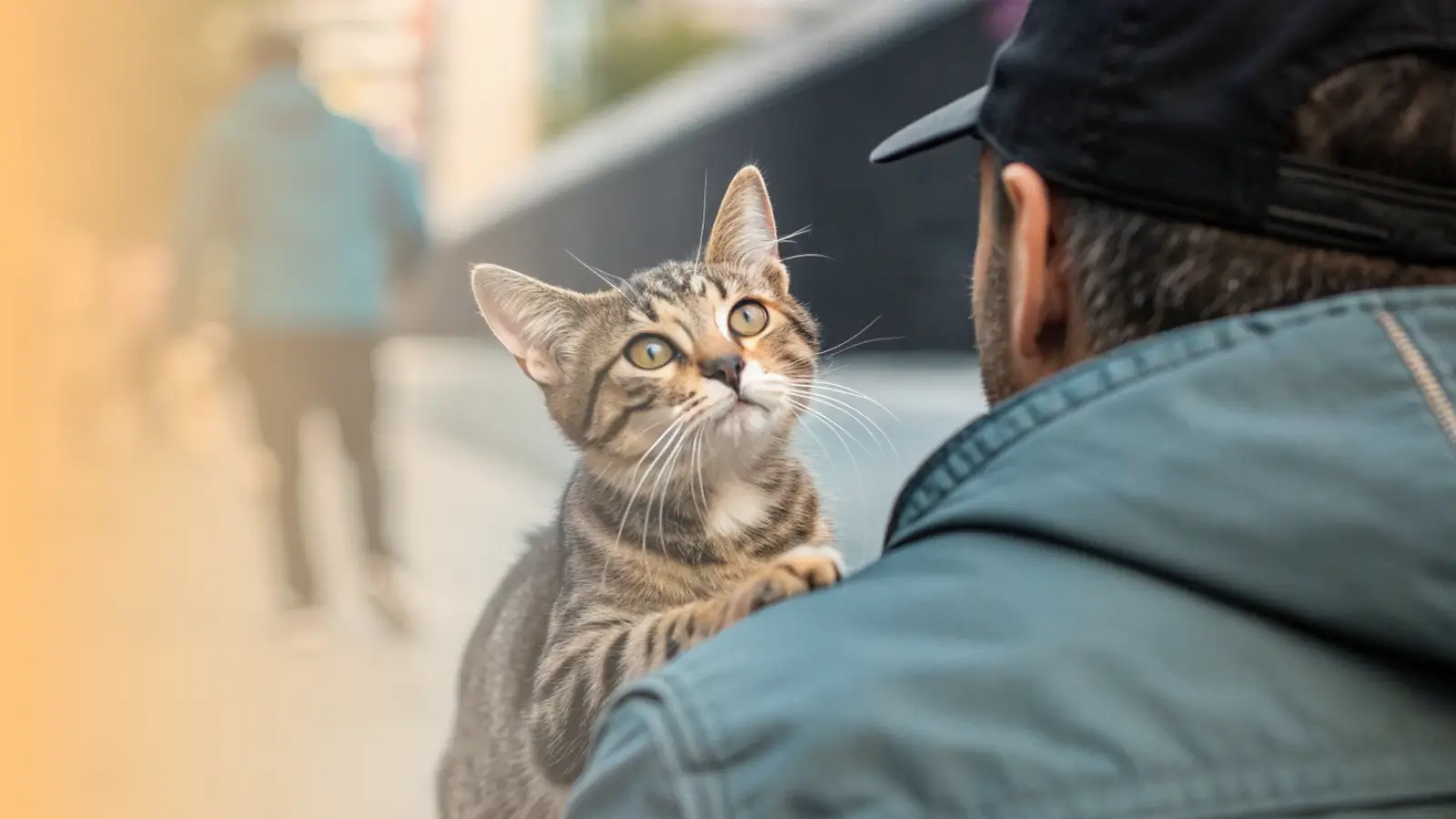
Finding fleas on your cat can feel confusing, especially if your cat lives indoors, rarely meets other animals, or your home is kept clean. Many owners end up asking the same question: where did they come from?
The short answer is that cats usually get fleas from an infested environment, not just from another cat. Adult fleas can move from one animal to another, but the bigger problem is often hidden in carpets, bedding, furniture, floor cracks, shaded outdoor areas, or places where pets and wildlife rest.
That is what makes fleas so frustrating. The flea you see on your cat may be only the visible stage of a much larger life cycle happening around your home. For me, the safer way to think about fleas is this: your cat may be carrying the adult fleas, but the environment is often where the infestation keeps rebuilding itself.
The Most Common Way Cats Get Fleas
Cats most often get fleas when newly emerged adult fleas jump onto them from the environment. That environment might be inside your home, in your yard, on pet bedding, in carpet, on furniture, or in shaded places outside where animals spend time.
A cat can also pick up fleas from another infested animal. This could be another cat, a dog, a newly adopted pet, or sometimes wildlife near the home. But direct contact is not the only route, and it is often not the whole story.
The main flea that affects cats is usually the cat flea, Ctenocephalides felis. Despite the name, it is not limited to cats. It commonly infests cats and dogs, and it can also use other mammals as hosts. That is why a dog in the house, visiting pets, or wildlife around the property can all contribute to flea exposure.
This is where many generic flea explanations fall short. They make it sound as if your cat must have caught fleas from another cat. That can happen, but it is too narrow. A cat can walk across an area where flea pupae have been waiting, trigger newly emerged adults to come out, and become the next host.
Why Fleas Spread So Quickly
Fleas spread quickly because adult fleas reproduce on the animal, while the immature stages develop in the environment. That split between on the cat and around the cat is the part that matters most.
Adult fleas live on the cat and feed on blood. After feeding, female fleas can begin producing eggs quickly. Those eggs do not stay fixed to the cat. They fall off into the places where your cat sleeps, rests, walks, or plays.
That means your cat’s favorite blanket, sofa corner, cat tree, rug, or bedroom spot can become part of the flea life cycle. Outdoors, the same can happen in shaded, protected spots where animals rest.
The eggs hatch into larvae. The larvae avoid light and move deeper into carpet fibers, cracks, bedding, or debris. They feed partly on flea dirt, which is adult flea waste made from digested blood. Later, they form pupae inside protective cocoons.
The pupal stage is one reason fleas feel so hard to get rid of. Pupae can be protected from normal surface cleaning and may wait until conditions are right. Warmth, vibration, pressure, and carbon dioxide can help trigger adult fleas to emerge. A house can seem quiet, then suddenly fleas appear again when people or pets move through the area.
Can Indoor Cats Get Fleas?
Indoor cats can get fleas. Being indoors lowers some risks, but it does not make a cat impossible for fleas to reach.
Fleas can enter the home through other pets, especially dogs that go outside. A newly adopted cat or kitten may bring fleas in. Flea stages may already be present in a home from a previous pet or previous tenant. People can also help move flea exposure indoors through normal household movement, shoes, clothing, bags, or items that have been in infested areas.
That does not mean humans usually become the main host. Fleas prefer animal hosts such as cats and dogs. But people can still be part of how fleas or flea exposure enter an indoor environment.
Indoor heating can also make the problem less seasonal than owners expect. In warm indoor conditions, fleas may continue developing even when outdoor weather is not ideal. So if your indoor cat has fleas in a colder month, it is not automatically strange.
This is why I would not dismiss fleas just because a cat never goes outside. I would look at the whole household: other pets, recent visitors with pets, boarding, grooming visits, used furniture, apartment history, and any warm, soft places where a flea life cycle could quietly continue.
Do Cats Get Fleas From Other Cats?
Cats can get fleas from other cats, but that is only one possible route. Direct transfer between animals can happen, especially in close-contact situations. Multi-cat homes, shelters, rescues, boarding environments, and homes with newly introduced cats can all increase the chance of flea spread.
But if one cat in the house has fleas, it is safer to assume the environment may also be involved. Flea eggs can fall from one pet into shared resting areas, then later develop into adults that jump onto another cat.
This matters in multi-cat households because treating only the cat with obvious fleas may not solve the problem. Another cat may have fewer signs but still carry fleas. A dog may be part of the cycle. Shared bedding, carpets, sofas, and cat trees may keep producing new adult fleas after the first cat looks better.
A common owner mistake is looking for the cat that brought fleas in, as if there is always one guilty animal. In reality, fleas behave more like a household problem once eggs and larvae are present. The cat you notice scratching may simply be the cat showing the clearest signs.
Can Cats Get Fleas From Dogs?
Cats can get fleas from dogs because the common cat flea also commonly infests dogs. In a mixed-pet home, a dog that goes outside can bring fleas into the same environment where the cat sleeps.
This is easy to miss if the dog is not scratching much. One pet may show obvious discomfort, while another carries fleas with fewer signs. Cats also groom themselves carefully, so they may remove some visible fleas while still being bitten.
If a cat has fleas and there is a dog in the home, I would not treat it as a cat-only issue. The household setup matters. All pets should be considered, and flea products must be species-appropriate. A product made for dogs should never be casually used on a cat.
That safety point is not optional. Some dog flea treatments contain ingredients that can be highly toxic to cats. If a cat has been exposed to a dog flea product or a household flea spray not meant for cats, that is a reason to contact a veterinarian promptly.
Can Cats Get Fleas From the Yard?
Cats can get fleas from the yard, but not usually from every blade of grass equally. Fleas are more likely to develop in shaded, protected, moist areas where animals spend time.
Think of places such as under porches, near decks, shaded garden edges, sheds, crawl spaces, outdoor bedding areas, or spots where stray cats, dogs, raccoons, opossums, or other animals may rest. These are more likely to support immature flea stages than open, sunny lawn.
Outdoor cats have more exposure because they move through areas used by other animals. But even cats with limited outdoor access can be exposed if the home has pets going in and out, wildlife activity near doors, or flea stages near entry points.
The practical takeaway is not that every yard is dangerous. It is that flea risk is tied to animal traffic and protected resting areas. If your cat keeps getting fleas, it is worth thinking about where pets or wildlife spend time, not just where your cat walks for a few minutes.
Why a Clean Home Can Still Have Fleas
A clean home can still have fleas because flea development depends on biology, warmth, humidity, host access, and hidden spaces, not simply visible dirt. This is one of the most useful points for owners who feel embarrassed.
Vacuuming, washing bedding, and keeping the home clean can reduce the flea burden. But flea eggs, larvae, and pupae can be tucked into carpets, furniture seams, pet bedding, baseboards, or cracks in flooring. The pupal cocoon can also protect the developing flea.
So a spotless-looking room may still contain immature flea stages if a pet has been carrying adult fleas. Once adult fleas begin laying eggs, the home environment can become part of the cycle quickly.
I would be careful with any article or advice that frames fleas as a hygiene failure. That is not accurate, and it is not useful. Clean homes can get fleas. The better question is not whether your home is dirty, but where flea stages could be surviving and whether all pets and resting areas are being addressed.
Why Fleas Come Back After You Treat Your Cat
Fleas often come back because the treatment only addresses part of the flea life cycle. Treating the adult fleas on your cat can help, but eggs, larvae, and pupae may still be developing in the home or yard.
This is the part that makes owners feel as if a treatment did not work. In some cases, product choice, application, timing, or exposure to untreated animals may be the issue. In other cases, new adult fleas are emerging from cocoons that were already in the environment before the cat was treated.
Flea control can take time when an infestation is already established. That does not mean you should keep adding random products or combine treatments on your own. It means the plan needs to account for the cat, other animals in the home, and the environment.
This is where I would stop guessing if the problem keeps returning. A veterinarian can help you choose a cat-safe product and avoid unsafe combinations, especially for kittens, older cats, sick cats, pregnant or nursing cats, or cats already taking medication.
Signs Your Cat May Have Fleas
A cat with fleas may scratch, bite, lick, or groom more than usual. You may notice hair loss, scabs, red or irritated skin, or small dark specks in the fur. Some cats are especially sensitive to flea saliva and can develop flea allergy dermatitis, which can cause intense itching and crusty skin changes.
But not every cat with fleas looks dramatically itchy. Some cats show mild signs. Others groom so well that owners rarely see a live flea. That is why not seeing fleas does not always mean there are no fleas.
Flea dirt can be a more useful clue. It looks like tiny black or reddish-black specks in the coat, especially around the base of the tail, neck, belly, or areas your cat cannot groom as easily. A common check is to place the specks on a damp white tissue or paper towel. If they dissolve into a reddish-brown stain, that supports the possibility of flea dirt because it contains digested blood.
This is not a full diagnosis, but it is a practical clue. If your cat has skin irritation, heavy itching, hair loss, scabs, or you are not sure what you are seeing, a vet visit is the safer choice.
When Fleas Are More Than an Itch Problem
Fleas are not just annoying. They feed on blood, and heavy infestations can be more serious for kittens, older cats, weak cats, or cats with health problems.
Kittens are a special concern because they are small and can become unwell from blood loss more quickly than a healthy adult cat. A heavily infested kitten should not be treated casually with whatever product is nearby. Many flea products have age and weight limits, and the wrong product can be dangerous.
Fleas can also be connected to tapeworm exposure. Cats may swallow infected fleas while grooming, and that can lead to flea tapeworm infection. This is one reason a veterinarian may discuss parasite control beyond simply killing adult fleas.
There are also human-health reasons to take fleas seriously, though this should not be framed in a panic-heavy way. Fleas can bite people, and flea-associated disease risks exist. In most owner situations, the practical point is simple: flea control protects the cat, reduces household bites, and helps prevent the problem from becoming harder to manage.
When to Contact a Veterinarian
Contact a veterinarian if your cat has fleas and also has skin sores, scabs, hair loss, severe itching, signs of illness, weakness, pale gums, or a heavy infestation. I would be especially cautious with kittens, senior cats, debilitated cats, pregnant or nursing cats, and cats with existing medical conditions.
You should also contact a vet if you are unsure which flea product is safe for your cat. Cat flea products must match the cat’s species, age, weight, and health status. Dog flea products should not be used on cats.
If your cat has been exposed to a dog flea treatment, a household flea spray, or any product not labeled for cats, call a veterinarian. If your cat shows worrying signs after a flea product, such as vomiting, diarrhea, drooling, wobbliness, poor appetite, depression, tremors, seizures, or sudden collapse, treat it as urgent and seek veterinary help.
I would also ask for veterinary guidance if fleas keep returning despite repeated efforts. Recurrent fleas may mean there are untreated pets, environmental stages, incorrect application, product mismatch, or ongoing exposure from outside sources.
How to Think About Flea Prevention
The safest way to think about prevention is risk-based and cat-specific. Outdoor cats, cats in multi-pet homes, cats with flea allergy dermatitis, cats in rescue or boarding situations, and cats living in flea-prone climates often need stronger ongoing prevention than a single indoor cat with very low exposure.
That said, indoor-only cats are not automatically risk-free. If your cat lives with a dog, has contact with visiting pets, recently moved homes, or lives in an apartment where previous pets may have had fleas, prevention may still matter.
Veterinary and parasite-control guidance often supports regular flea control, but exact recommendations can depend on region, lifestyle, travel, other pets, and the cat’s health. That is why a veterinarian is the best person to help you choose a safe product and schedule.
Avoid relying on essential oils, garlic, brewer’s yeast, or similar natural flea shortcuts. The research report does not support those as reliable flea control, and some natural products can be unsafe for cats. Natural-sounding does not automatically mean cat-safe.
What to Do If You Think Your Cat Got Fleas
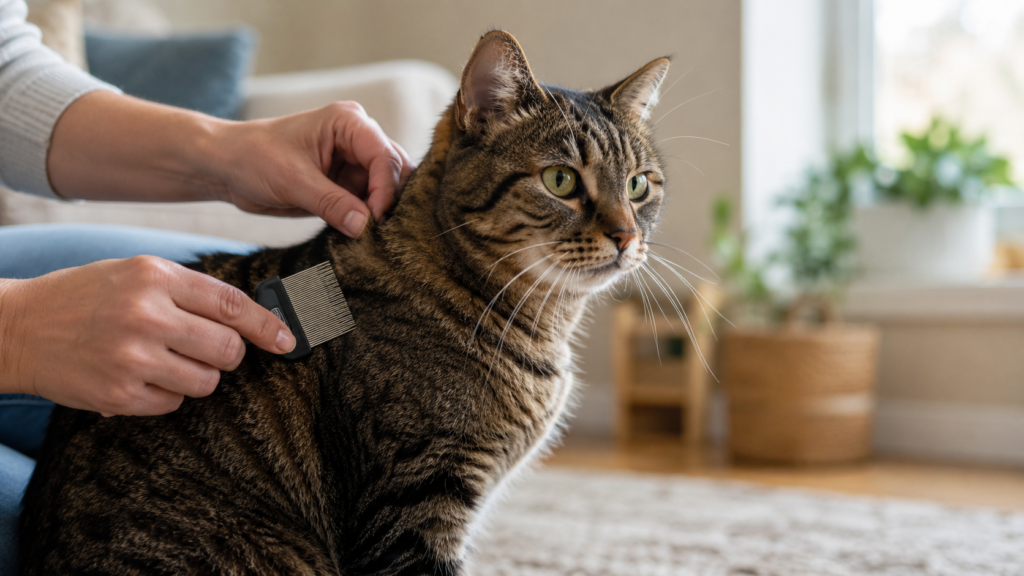
If you think your cat has fleas, start by checking your cat and the places your cat spends the most time. Use a flea comb if you have one, look for flea dirt, and inspect bedding, favorite blankets, carpets, sofa spots, and cat trees.
At the same time, think beyond the cat. Are there dogs in the home? Other cats? A new kitten? A visiting pet? Wildlife near the house? A recent move? Used furniture? A warm indoor area where fleas could keep developing?
Cleaning can help reduce the environmental load. Washing pet bedding and vacuuming floors, carpets, furniture, baseboards, and areas where pets rest can remove some eggs, larvae, pupae, dead fleas, and flea dirt. Dispose of vacuum contents carefully so you are not keeping the problem in the house.
But cleaning alone may not be enough once fleas are established. A cat-safe flea control plan usually needs to address the animal and the environment, and every pet in the home may need to be considered. If you are unsure, ask your vet before using products, especially around kittens or medically fragile cats.
Common Misunderstandings About How Cats Get Fleas
One common misunderstanding is that a cat must have met another cat to get fleas. Direct spread can happen, but the environment is often the bigger source. A cat can pick up newly emerged fleas from a home, yard, pet bedding, carpet, or resting area that has been seeded by another animal.
Another misunderstanding is that indoor cats cannot get fleas. Indoor cats have lower exposure, but fleas can still enter through dogs, people-associated movement, new pets, previous infestations, or warm indoor spaces where flea stages survive.
A third misunderstanding is that visible fleas are the whole problem. Adult fleas on the cat are only part of the picture. Eggs, larvae, and pupae may be hidden around the home, which is why fleas can seem to disappear and then return.
The last one is product safety. Flea treatment is not interchangeable between cats and dogs. I would rather sound repetitive here than vague: never use a dog flea product on a cat unless a veterinarian specifically tells you it is safe, and do not improvise with home remedies.
Final Thoughts
Cats get fleas when adult fleas reach them from another animal or, very often, from an infested environment. Once fleas start reproducing, eggs fall off the cat and develop in the places your cat rests, which is why the problem can keep coming back even after you treat the visible fleas.
If your cat is itchy, losing fur, developing scabs, or if you are dealing with a kitten, senior cat, sick cat, or heavy infestation, contact a veterinarian. Fleas are common, but they are not something to handle casually with random products.
The most useful mindset is to treat fleas as a life-cycle problem, not a cleanliness problem. Your cat, the other pets in the home, and the environment all matter.
References
- VCA Hospitals: Flea Control in Cats — supports flea life cycle, environmental infestation, signs in cats, treatment failure patterns, and household control context.
- Companion Animal Parasite Council: Fleas — supports cat flea species, flea reproduction, environmental development, prevention guidance, and multi-pet control.
- Merck Veterinary Manual: Fleas in Dogs and Cats — supports flea biology, environmental exposure, emergence triggers, outdoor habitat, and life cycle timing.
- Cornell Feline Health Center: Fleas — supports signs of flea infestation, flea allergy dermatitis, and kitten/anemia risk.
- RSPCA: Fleas — supports clean-home misconception, environmental flea stages, year-round indoor risk, and permethrin warning for cats.
- PDSA: Fleas on Cats — supports owner-facing signs, indoor exposure routes, household cleaning, and when to contact a vet.
- FDA: Safe Use of Flea and Tick Products in Pets — supports product safety, species-specific labeling, and warning signs after product reactions.
- CDC: About Fleas — supports flea bites, flea-borne disease context, and why flea control has household health relevance.