
Finding worms in your cat’s poop, vomit, bedding, or around their back end is the kind of thing that makes you want an answer right away. It looks unpleasant, it feels worrying, and it is easy to wonder whether your cat is sick, whether your other pets are exposed, or whether the problem can spread to people.
The safest answer is simple, though not always as quick as people hope: cats need the right deworming treatment for the right parasite, and that usually means talking to a veterinarian instead of guessing with a random product. “Worms” can mean roundworms, tapeworms, hookworms, or less common parasites, and they are not treated or prevented in exactly the same way.
For me, the safer way to think about it is this: getting rid of worms is not just about killing the worms inside your cat. It also means finding the likely source, preventing reinfection, cleaning the litter area, checking other pets when needed, and knowing when symptoms are serious enough for prompt veterinary care.
What Should You Do First if You Think Your Cat Has Worms?
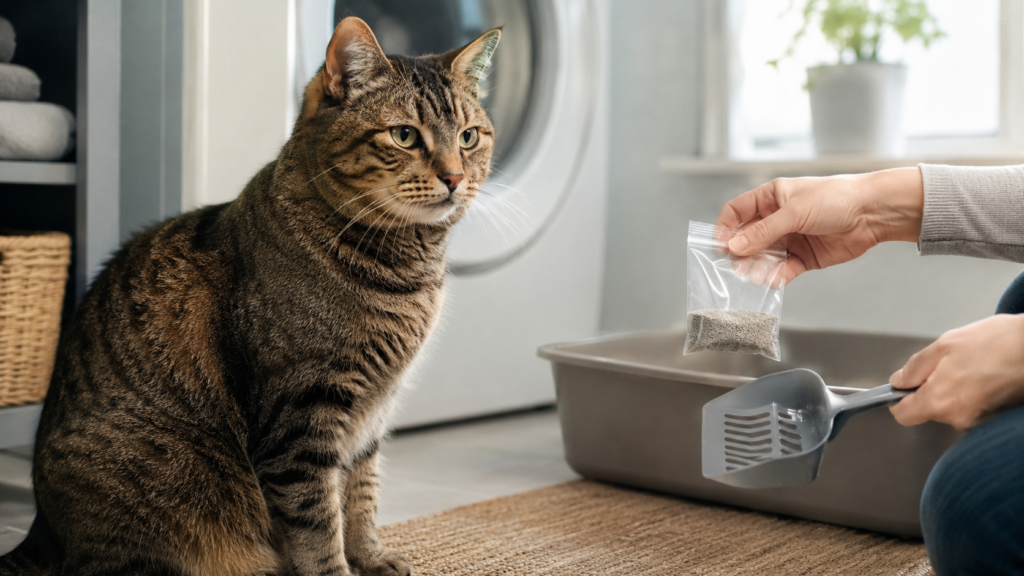
If you think your cat has worms, contact your vet, save a fresh stool sample if you can, and take a clear photo of anything visible before cleaning it up. That gives your vet more useful information than a vague description like “small white worms” or “something moving in the litter box.”
A fresh stool sample can help your vet check for parasite eggs or other signs under a microscope. If you see something that looks like rice grains near your cat’s anus or on bedding, a photo may be especially useful because tapeworm segments are not always found on routine fecal tests.
Do not give your cat dog dewormer, leftover medication, essential oils, garlic, or “natural” worm remedies. Cats are not small dogs, and some products that seem harmless can be dangerous for them. The correct treatment depends on your cat’s age, weight, health, pregnancy or nursing status, and the type of worm suspected.
It is also worth checking for fleas right away. If the worms look like small rice-like pieces, fleas may be part of the problem because cats commonly get one type of tapeworm by swallowing infected fleas while grooming.
Why the Type of Worm Matters
Cats can get several kinds of worms, and the differences matter because the source and treatment plan are not the same.
Roundworms are one of the most common intestinal worms in cats, especially kittens. They may look like pale spaghetti if they are vomited or passed in stool. Cats can get roundworms by swallowing eggs from a contaminated environment, eating infected rodents, or, in the case of kittens, through the milk of an infected mother.
Tapeworms are often noticed as small white or cream-colored segments that look like rice grains. These segments may appear near the anus, in fresh stool, or where your cat sleeps. Flea-related tapeworms are especially common because cats can swallow infected fleas while grooming.
Hookworms are different because owners usually do not see the worm itself. These small worms attach to the intestinal wall and feed on blood. That makes them more concerning in sick cats, kittens, or cats with heavy infections because blood loss can lead to anemia.
This is why I would not treat all worm cases as the same problem. A cat with rice-like tapeworm segments and fleas needs a different prevention focus than a kitten with a pot-bellied appearance, diarrhea, and possible roundworms.
Signs Your Cat May Have Worms
Some cats with worms look completely normal, which is one reason routine stool testing matters. A cat can eat, play, and groom normally while still carrying intestinal parasites.
When signs do appear, they may include visible worms or segments, vomiting, diarrhea, weight loss, poor coat condition, a swollen or pot-bellied look, or scooting and licking around the rear end. Kittens may show poor growth, a dull coat, or a more obviously rounded belly if they have a heavy roundworm burden.
Tapeworms may cause surprisingly mild signs. Many owners first notice the rice-like segments rather than obvious illness. That does not mean the worms should be ignored, but it does explain why a cat can seem fine while still needing treatment.
Hookworms deserve more caution. Because they feed on blood, concerning signs can include weakness, pale gums, dark or tarry stool, bloody diarrhea, weight loss, or lethargy. If I saw those signs, especially in a kitten, I would stop guessing and call a vet promptly.
When Worms Are an Urgent Vet Issue
Visible worms are a reason to contact your vet, but some signs make the situation more urgent. A cat should be seen promptly if they have pale gums, severe lethargy, weakness, collapse, repeated vomiting, bloody diarrhea, black or tarry stool, dehydration, rapid weight loss, breathing difficulty, or a swollen, painful-looking belly.
Kittens, senior cats, pregnant or nursing cats, and cats already dealing with illness need extra caution. A parasite load that a healthy adult cat might tolerate for a while can become more serious in a small kitten or a cat with less reserve.
The same applies if your cat is not eating, seems unusually quiet, or is hiding in a way that feels different from their normal behavior. Worms may be part of the issue, but those signs can also point to other medical problems. It is better not to narrow the problem too early at home.
How Vets Usually Get Rid of Worms in Cats
Vets get rid of worms by matching the treatment to the parasite and the cat. That may involve a fecal test, a physical exam, your description of what you saw, photos of worms or segments, and your cat’s lifestyle history.
The actual deworming medication depends on the type of worm. Some products target roundworms and hookworms. Some target tapeworms. Some broad-spectrum parasite preventives cover multiple parasites, but no single product is the right answer for every cat in every situation.
This is why dosage advice does not belong in a general cat blog article. The safest amount depends on the cat’s weight, age, health, and the exact product. A product that is appropriate for one cat may be wrong for a kitten, a pregnant cat, a very small cat, or a cat with other medical concerns.
You may also need more than one treatment. With roundworms, some dewormers kill adult worms in the intestine but not every larval stage moving through the body. With tapeworms, seeing segments again later may mean your cat was reinfected by fleas or prey rather than that the first treatment failed.
Why Worms Can Come Back After Treatment
Worms often come back because the source of reinfection was not handled. This is one of the most useful things for owners to understand before they feel like they did something wrong.
For flea tapeworms, treatment needs to go together with flea control. If your cat swallows another infected flea while grooming, tapeworms can return. This can happen even if the first deworming treatment worked.
For cats that hunt, prey is another issue. Cats can get certain tapeworms by eating infected rodents, birds, or rabbits. If your cat keeps hunting and eating prey, deworming may only solve the current infection, not the exposure pattern.
Roundworms can also recur because cats can ingest eggs from contaminated environments or infected prey. Kittens may have exposure from their mother. Cleaning and prevention matter, but they work alongside veterinary deworming, not instead of it.
Cleaning Your Home After Worms
Cleaning helps reduce exposure, but it does not replace deworming your cat. Once worms are established inside your cat, home cleaning alone will not remove them.
Start with the litter box. Scoop feces daily, dispose of waste carefully, and wash your hands after handling litter. If you are saving a stool sample for your vet, use a clean bag or container and avoid heavy litter contamination when possible.
Wash bedding your cat uses, vacuum areas where your cat sleeps, and clean surfaces that may have had fecal contact. If fleas are involved, cleaning the home environment matters because flea eggs and immature stages may be in carpets, bedding, and soft furniture.
Roundworm eggs can be stubborn in the environment. Some cleaning products may help loosen eggs from surfaces for rinsing, but they may not reliably kill them. That is another reason prevention and proper parasite control matter more than trying to disinfect everything after the fact.
Should You Treat All Cats in the House?
In a multi-cat home, ask your vet whether other cats or pets need testing, treatment, or flea control at the same time. Do not assume every animal should get the same product.
This matters because different pets have different risks. One cat may be the hunter. Another may be indoor-only but share litter boxes. A dog in the home may carry fleas into the environment. A kitten may need a different approach from a healthy adult cat.
Species also matter. Dog parasite products should not be used on cats unless a veterinarian specifically says a product is safe for that cat. Some flea and tick products made for dogs contain ingredients that can be dangerous to cats.
A practical multi-pet plan is usually more effective than treating one cat in isolation while fleas, contaminated feces, or shared exposure continue in the home.
Can Indoor Cats Get Worms?
Yes, indoor cats can still get worms, although their risk is usually different from outdoor cats. Indoor life lowers some exposures, but it does not make a cat parasite-proof.
Fleas can enter homes on other pets, people, or through the environment. Cats can also catch insects or rodents indoors. Soil or organic material can be tracked into the house on shoes or clothing, and some cats dig in potted plants.
An indoor-only cat with rice-like tapeworm segments may make an owner think, “But how?” Fleas are often the missing piece. Even a short flea problem can be enough if the cat swallows an infected flea while grooming.
Outdoor cats and hunters generally have higher exposure. If a cat roams, hunts, eats prey, or spends time in areas where other animals defecate, prevention needs to be discussed more seriously with a vet.
Why Home Remedies Are a Bad Idea
Home remedies are not a safe way to get rid of worms in cats. Garlic is a good example of why. It is sometimes promoted online as a natural dewormer, but garlic is toxic to cats and can damage red blood cells.
I would be very cautious with any advice that says you can treat worms with pantry ingredients, essential oils, or supplements. Even when a substance sounds natural, that does not mean it is effective against intestinal parasites or safe for cats.
Diatomaceous earth, apple cider vinegar, pumpkin seeds, turmeric, coconut oil, and similar remedies may show up in search results, but the safer article-level advice is simple: do not use home remedies as a substitute for veterinary deworming. A cat with worms needs an evidence-based parasite treatment that is appropriate for cats.
The same caution applies to over-the-counter dewormers. Some may be useful in the right situation, but the owner still needs to know which parasite they are treating and whether the product is safe for their specific cat.
Can Cat Worms Spread to People?
Some cat parasites can pose a risk to people, but the risk depends on the parasite and the type of exposure. This is a hygiene issue, not a reason to panic.
Roundworms and hookworms are the main concern from a household-health point of view. People can be exposed through contaminated soil, feces, or environments where parasite eggs or larvae are present. Young children are a higher concern because they are more likely to play in soil or sand and put their hands near their mouths.
Flea tapeworm infection in people is rare because it requires swallowing an infected flea. That is unlikely for most adults, but it is still a reason to control fleas carefully, especially in homes with children.
The practical steps are straightforward: clean litter daily, wash hands after handling litter or soil, keep children away from contaminated areas, prevent cats from hunting when possible, and keep your cat on a vet-recommended parasite prevention plan.
How to Prevent Worms from Coming Back
Preventing worms is about reducing exposure and using the right parasite control plan for your cat’s lifestyle. A kitten, an indoor adult cat, a barn cat, and a cat that hunts rodents do not all have the same risk.
Ask your vet how often your cat should have fecal testing and what parasite prevention makes sense where you live. Some guidelines recommend more frequent fecal checks in the first year of life and regular checks for adult cats, adjusted by exposure and health.
Flea control is a major part of tapeworm prevention. If your cat has flea tapeworms, deworming without flea control is incomplete. Use cat-safe flea prevention and be careful with products meant for dogs.
For cats that hunt, prevention may also mean reducing outdoor access or stopping prey eating as much as possible. For indoor cats, prevention may focus more on flea control, litter hygiene, routine vet checks, and watching for rodents or insects in the home.
Common Mistakes Owners Make
One common mistake is treating visible worms as a simple product problem. The owner buys a dewormer, gives it once, and assumes the case is closed. Sometimes that works for the immediate infection, but it may not address fleas, prey, other pets, or repeat treatment needs.
Another mistake is assuming that no visible worms means no worms. Many cats with intestinal parasites do not show obvious signs. Hookworms especially may not be visible to owners, even when they are causing illness.
A third mistake is using the wrong product. A dewormer may not cover the parasite your cat has. A flea product may be unsafe for cats. A dog product may be dangerous. A natural remedy may do nothing useful or may harm your cat.
The most frustrating mistake is delaying veterinary help when the cat is clearly unwell. If a cat is weak, pale, collapsing, passing black or bloody stool, vomiting repeatedly, or losing weight quickly, the issue has moved beyond a simple at-home worm concern.
The Safest Way to Think About Getting Rid of Worms
Getting rid of worms in cats usually takes four parts: identify the likely worm, use the right cat-safe deworming treatment, remove the source of reinfection, and follow up if symptoms or risk continue.
If you see worms or tapeworm segments, save a sample or take a photo and call your vet. If your cat seems sick, do not wait to see whether an over-the-counter product helps.
Worms are common, and many cases are treatable, but the details matter. The right plan for a healthy adult indoor cat may not be the right plan for a kitten, a hunter, a pregnant cat, or a cat with pale gums and diarrhea. When in doubt, I would rather have a vet confirm the safest path than guess with a parasite problem that can keep coming back.
References
- CAPC General Guidelines for Parasite Control
- Cornell Feline Health Center: Gastrointestinal Parasites of Cats
- CAPC: Dipylidium Caninum
- CAPC: Taenia
- VCA Hospitals: Roundworm Infection in Cats
- VCA Hospitals: Tapeworm Infection in Cats
- FDA: Safe Use of Flea and Tick Products in Pets
- ASPCA: Garlic Toxicity